A Connected GenAI Workflow
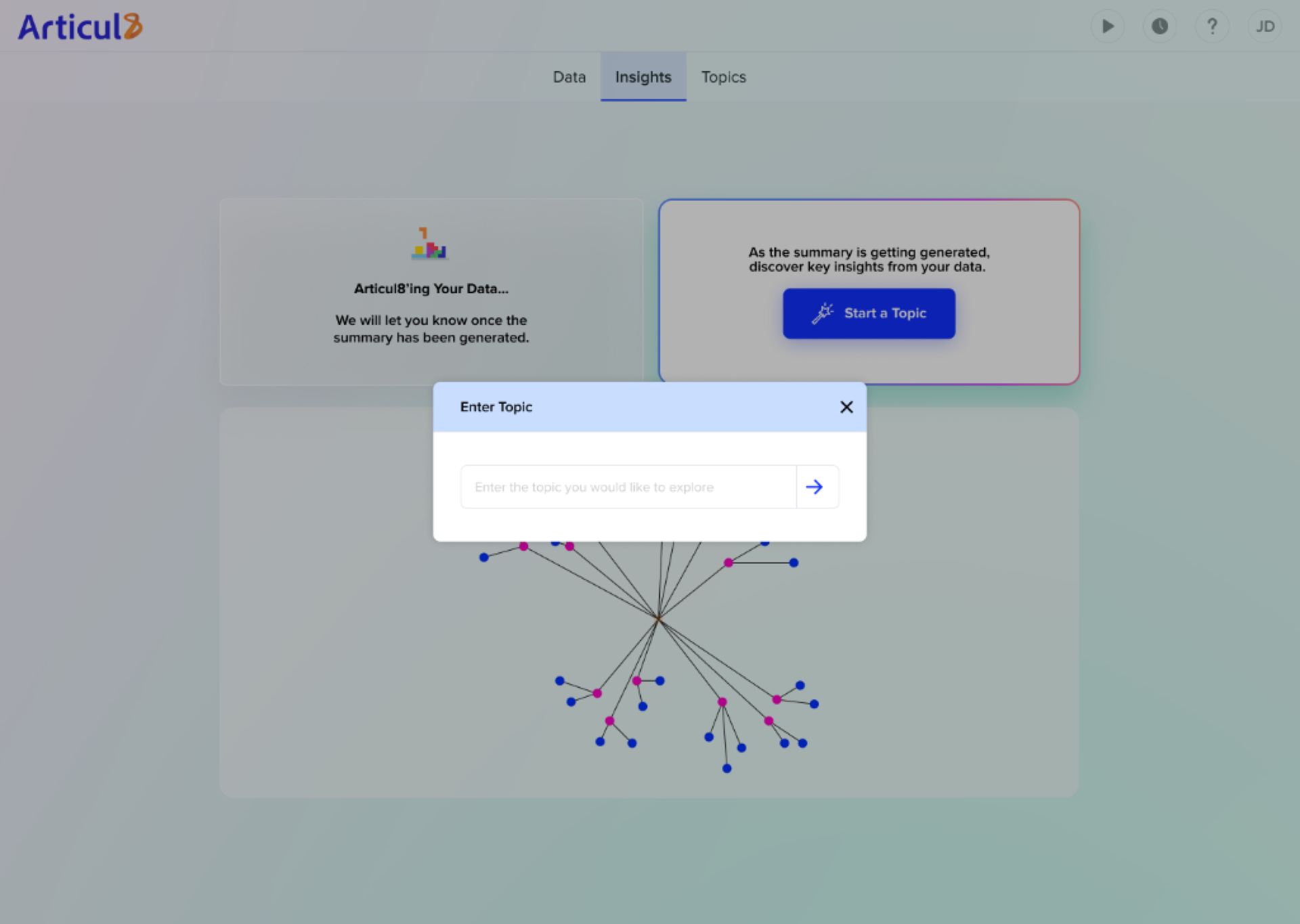
A8 Essential brings model discovery, evaluation, configuration, and deployment into a unified, connected workflow designed to make complex AI decisions easier to navigate.
Navigating Enterprise Complexity
AI platforms often struggle with fragmented toolsets and high technical barriers. We identified three primary challenges facing enterprise teams:
Complex model decisions
Teams need to evaluate multiple AI models, capabilities, and deployment options before selecting the right solution for their specific workloads.
Fragmented workflows
Model discovery, evaluation, configuration, and deployment involved multiple disconnected steps and technical hurdles across siloed interfaces.
Enterprise complexity
The platform needed to support advanced AI workflows while remaining clear and approachable for stakeholders with varying levels of technical expertise.
The Product Approach
Our strategy focused on progressive disclosure and organizing complex technical capabilities into a natural, structured progression.
Structured model journey
The experience was organized around the natural progression from discovering a model to evaluating, configuring, and deploying it seamlessly.
Progressive complexity
Information and controls are introduced when needed, keeping advanced capabilities accessible without overwhelming the primary workspace.
Scalable foundation
Reusable design patterns and components create consistency across the platform while supporting additional AI workflows as the product evolves.
Designing the Workflow
A8 Essential brings model discovery, evaluation, configuration, and deployment into a connected workflow designed to make complex AI decisions easier to navigate.
Model Discovery
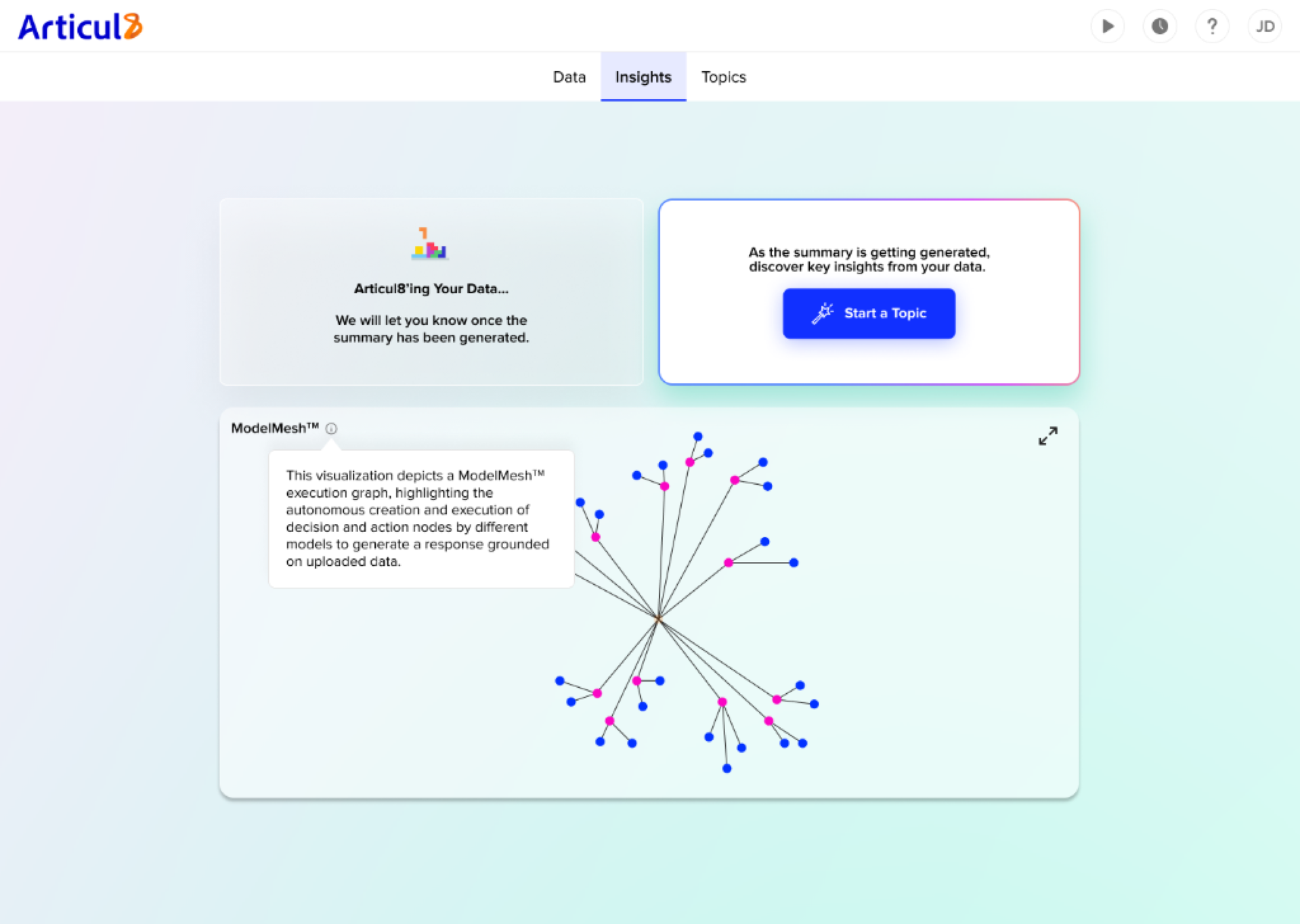
A structured starting point for exploring available AI models, understanding their capabilities, and identifying the right fit for a specific enterprise use case.
Model Evaluation
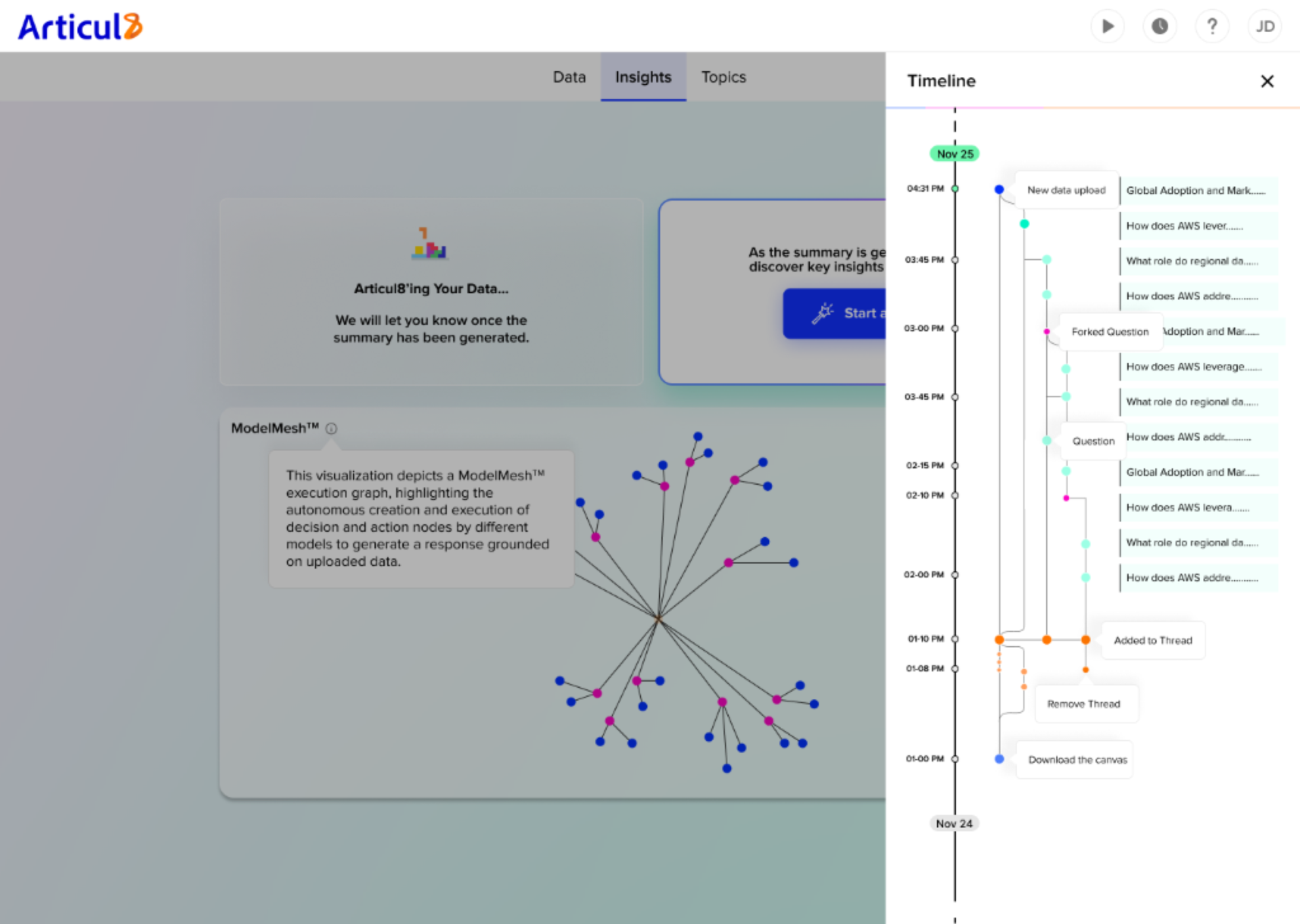
Key model information, benchmark metrics, and evaluation details are organized to help teams compare options and make confident technical decisions.
Configuration & Setup
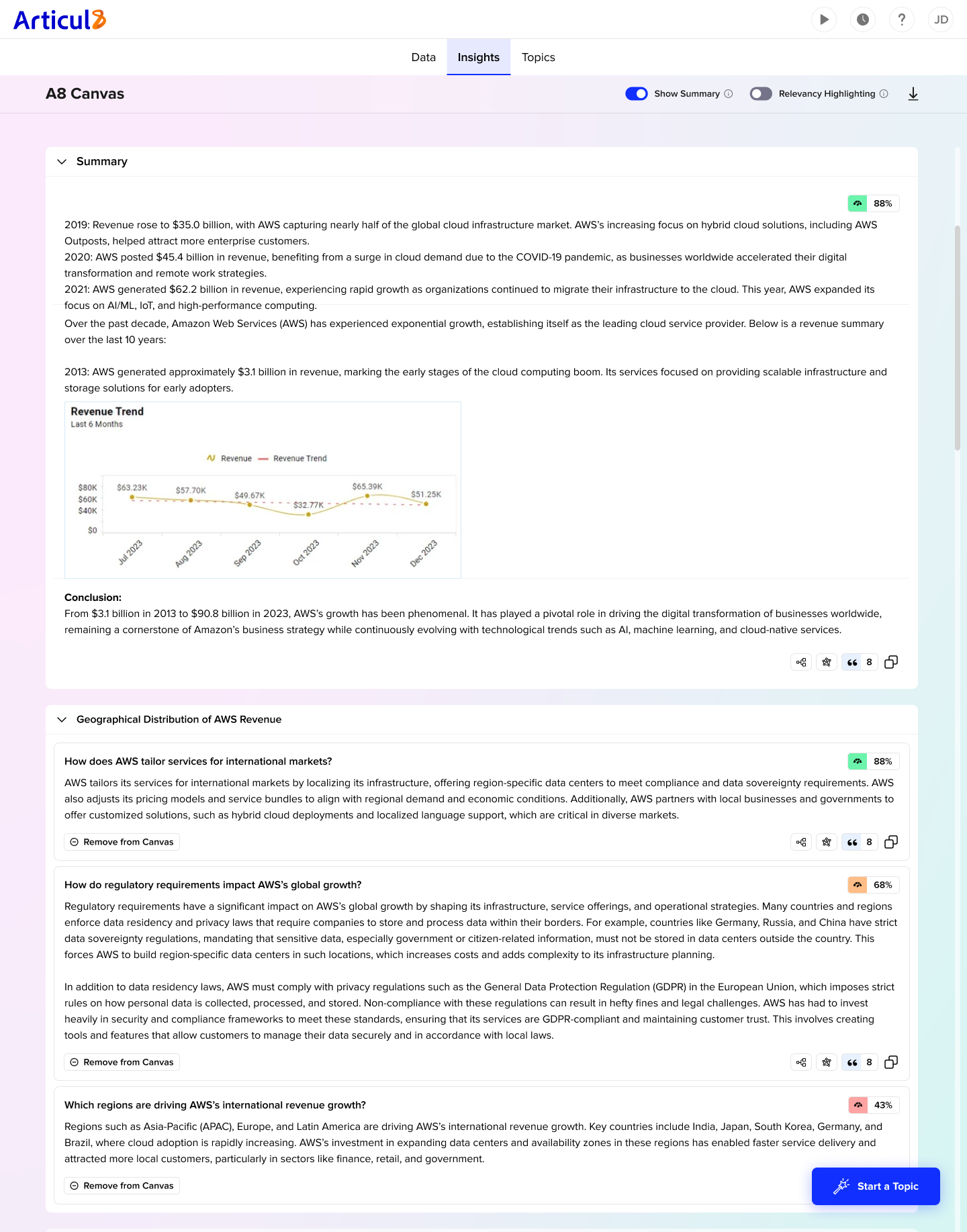
Relevant parameters and configuration options are grouped around the task, helping users move from selection to setup without unnecessary friction.
Deployment Workflow
The final workflow brings configuration and deployment status together, giving teams a clear view of what is ready, what requires attention, and what happens next.
Design Outcome
A clearer path through AI complexity
The platform structures complex model workflows into understandable stages, helping users focus on the decision at hand.
More intentional information hierarchy
Technical information, actions, and system states are prioritized based on context rather than competing for attention at the same time.
A scalable enterprise foundation
Reusable patterns establish a consistent product experience that can support new models, workflows, and platform capabilities as the product evolves.